



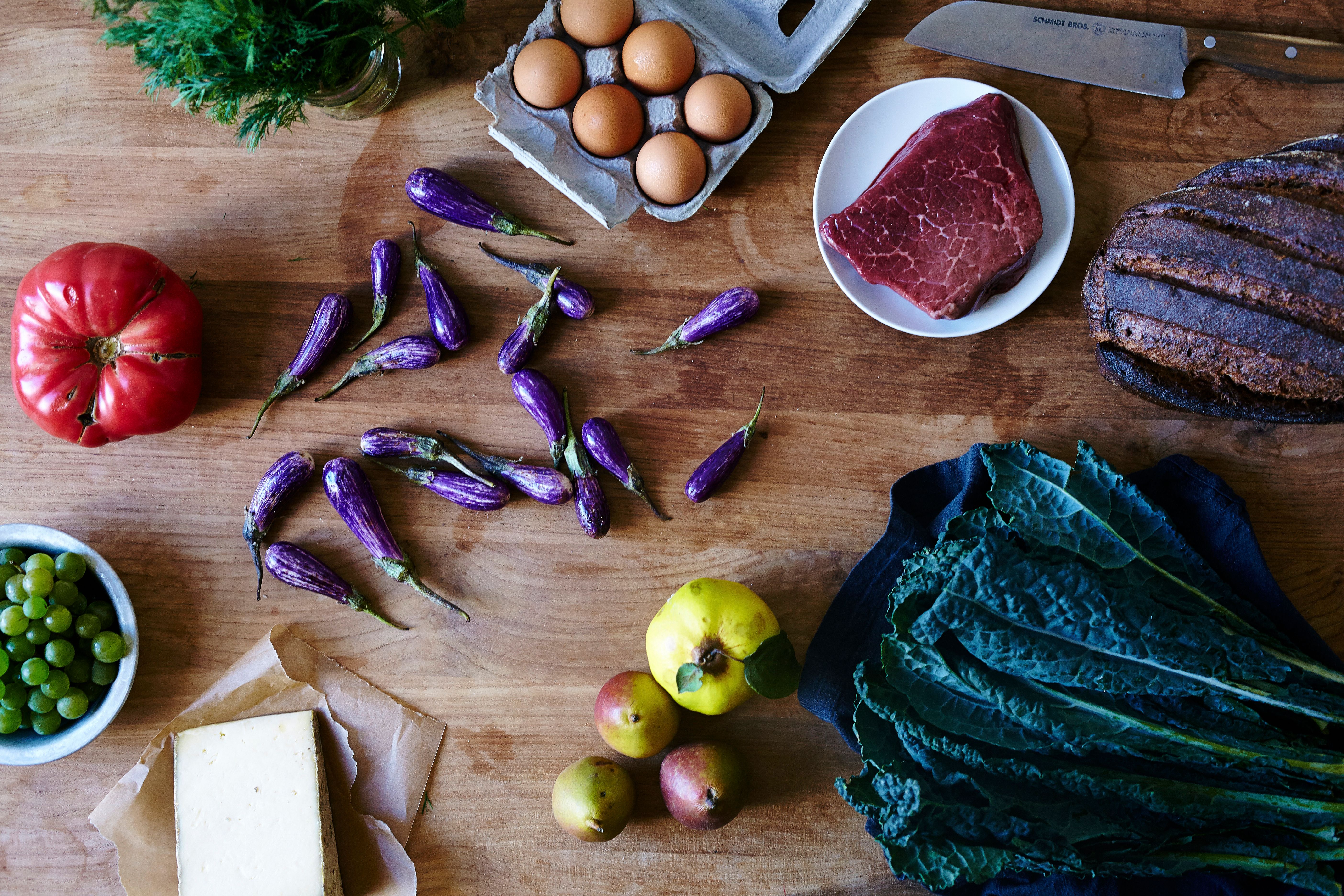
澳洲幸运10开奖历 澳洲幸运10官方开奖记录 From farm to you in a New York minute.
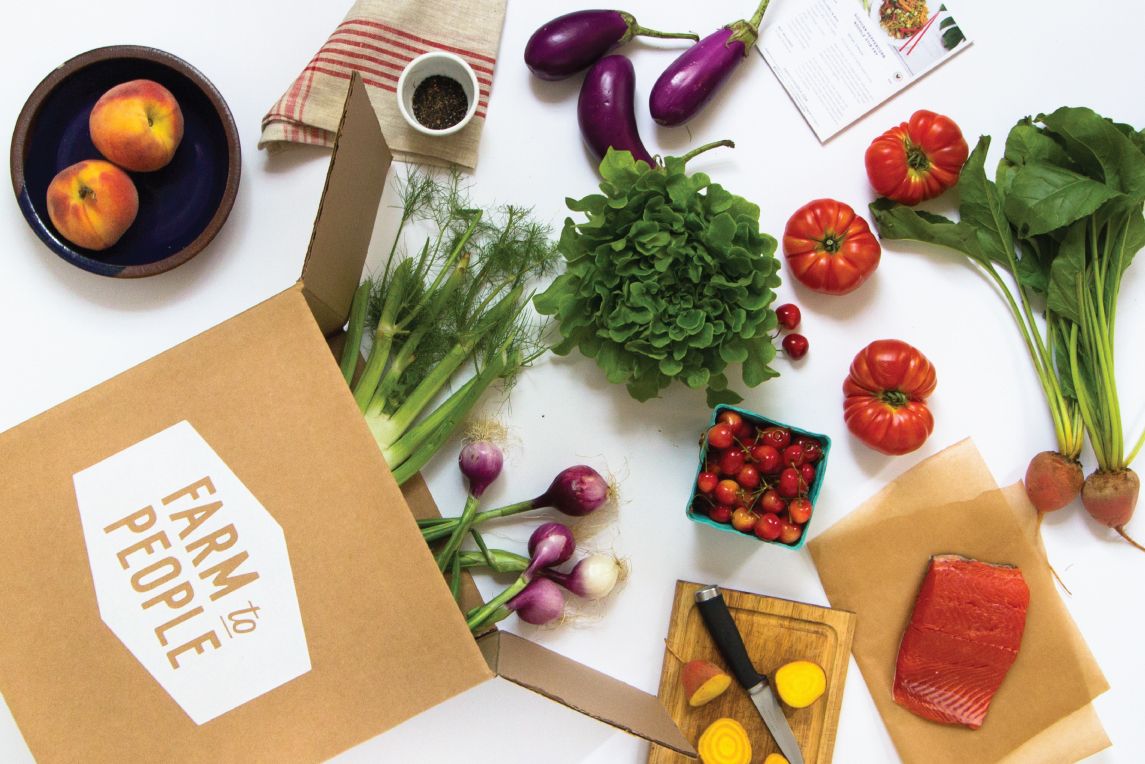
澳洲幸运10开奖历史-澳洲幸运10官网开奖结果体彩视频 168澳洲幸运10官网历史查询 How it Works
1. Shop on your schedule. Subscribe to your favorite staples or place an à la carte order.
2. Our farmers harvest your food. By ordering only what we need, we keep our waste under 1%!
3. On the day of your delivery, we pack up your box and bring it to your door.
What Sets Us Apart
Grown Today, Delivered Tomorrow
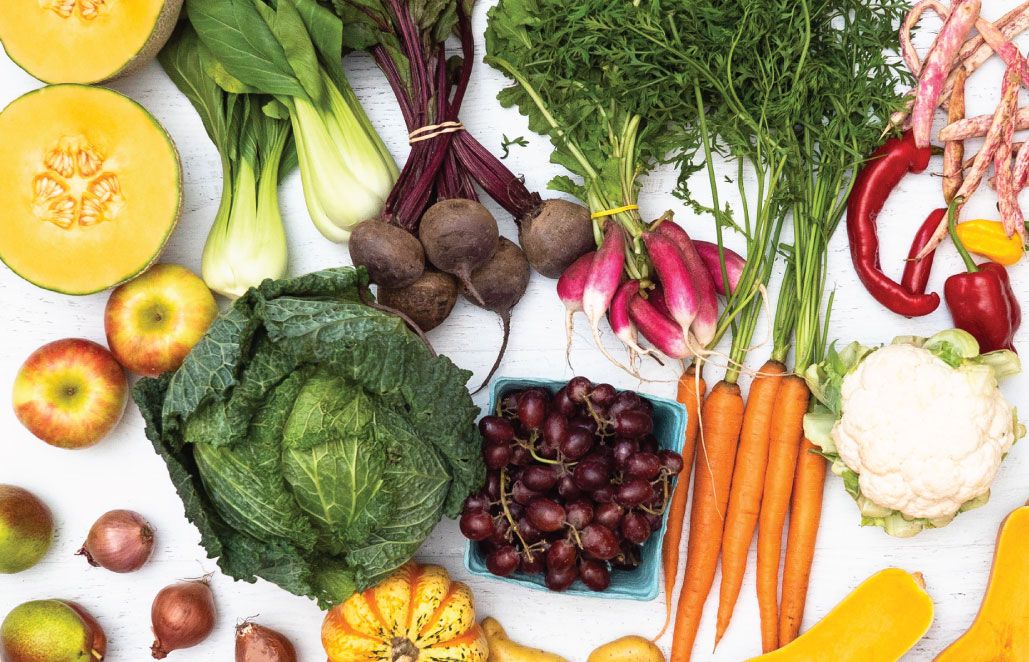
We are the fastest solution from farm to table. Our rotating selection of seasonal produce is chock-full of precious nutrients that won’t be depleted by weeks of travel and storage.
Not Your Average Grocery Delivery
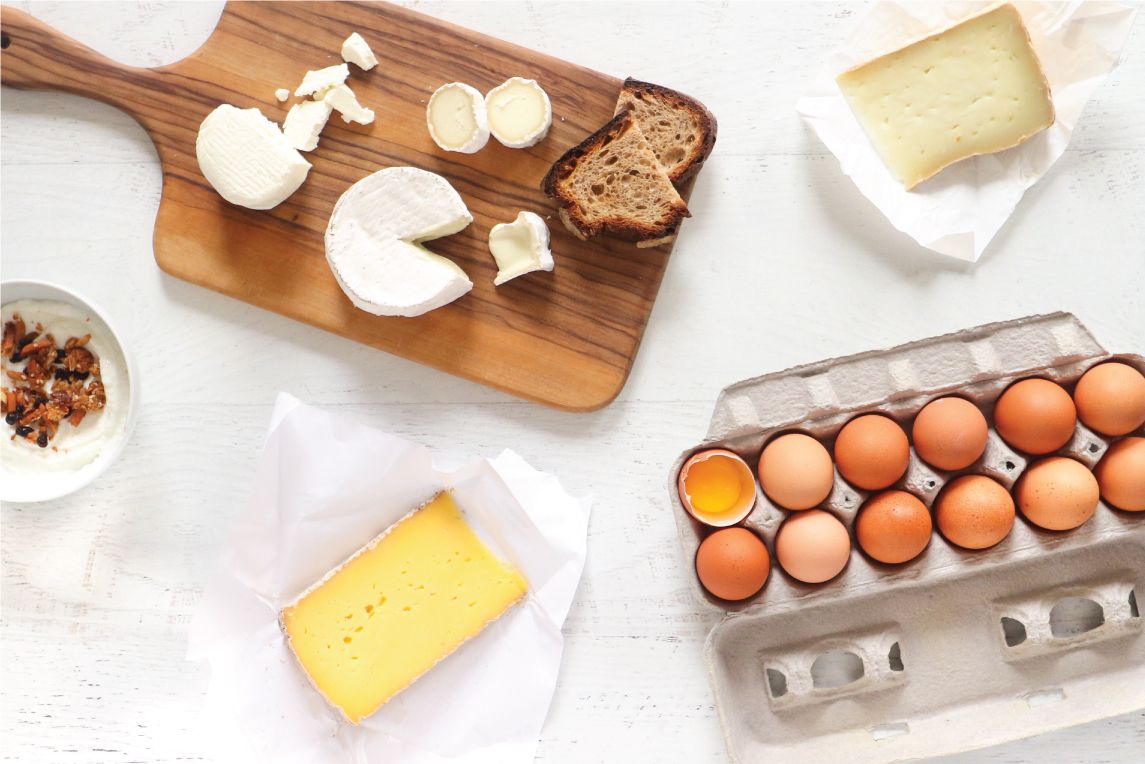
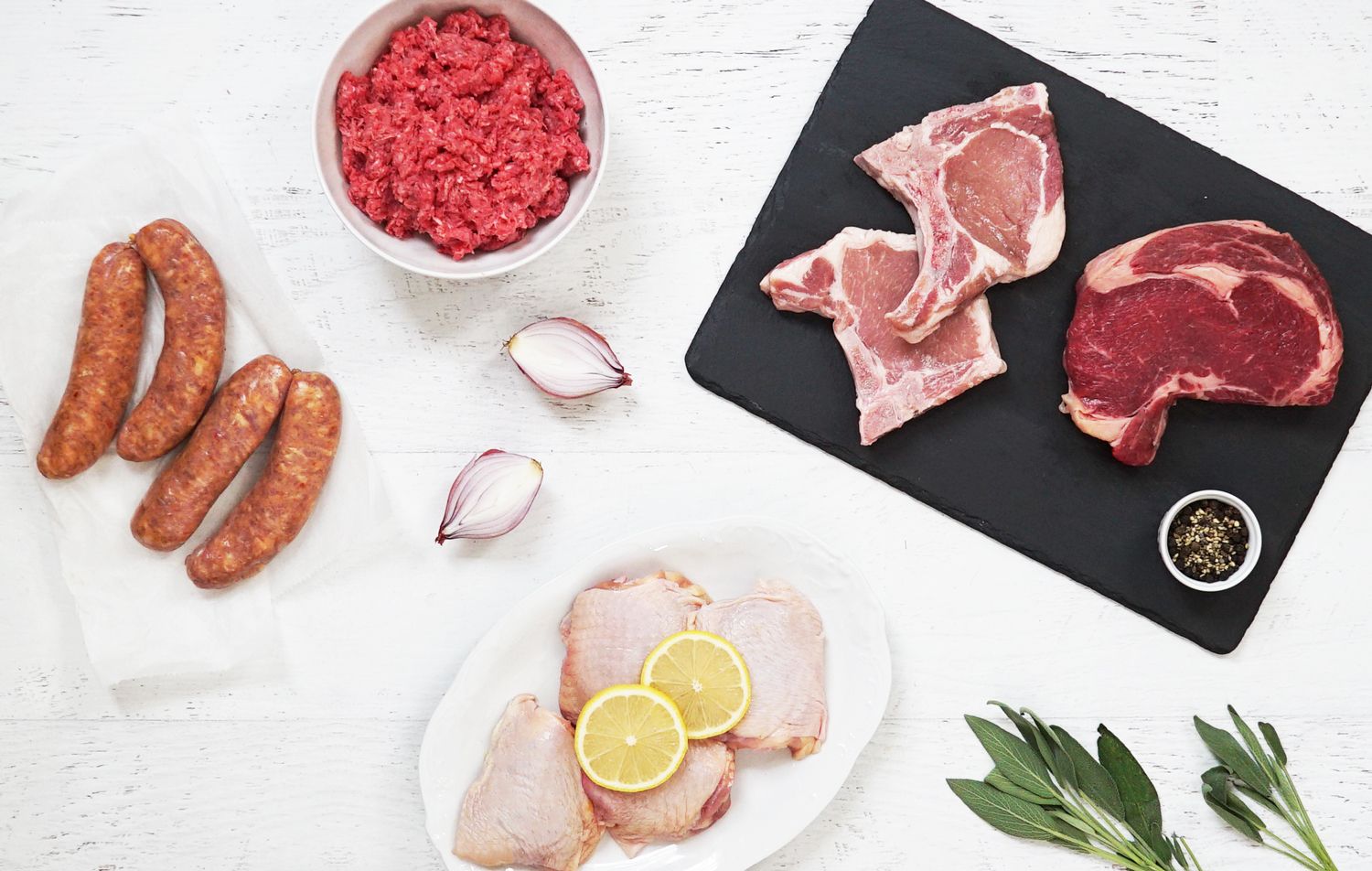
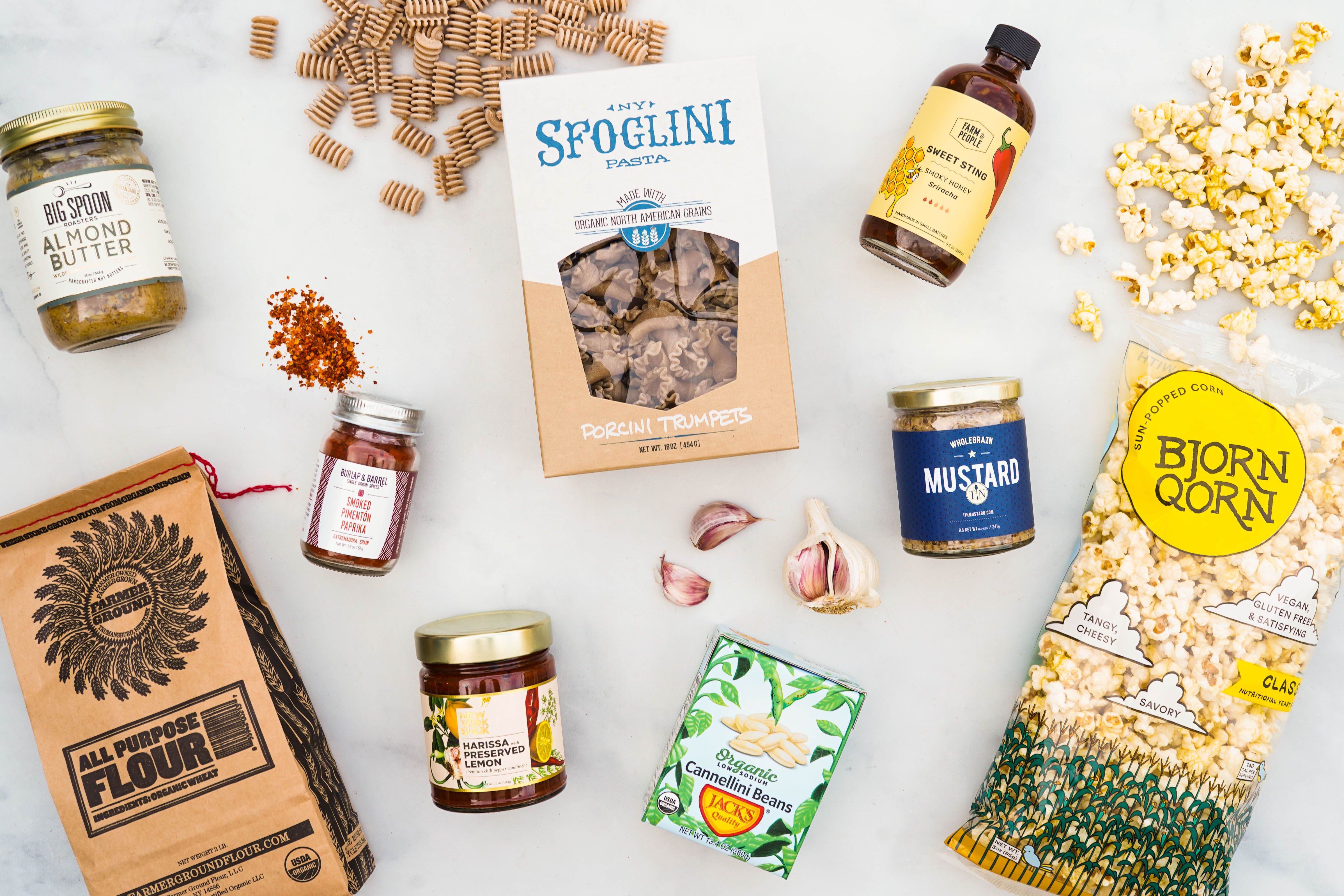
Shop our full range (800+) of sustainable groceries sourced with care and expertise. Cutting out the middleman gives you a better value while the farmers and makers earn more, too.
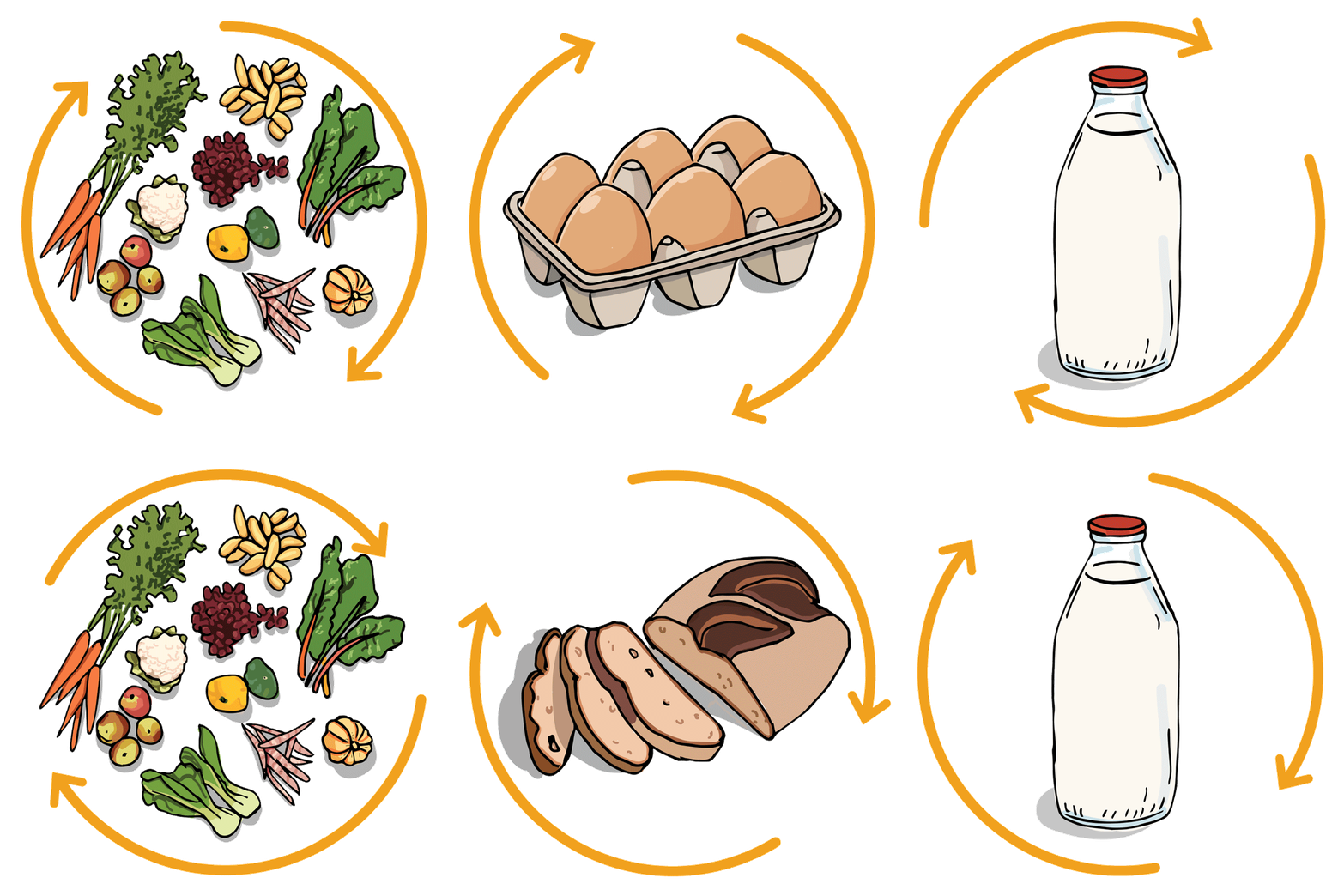
Your Favorites on Autopilot
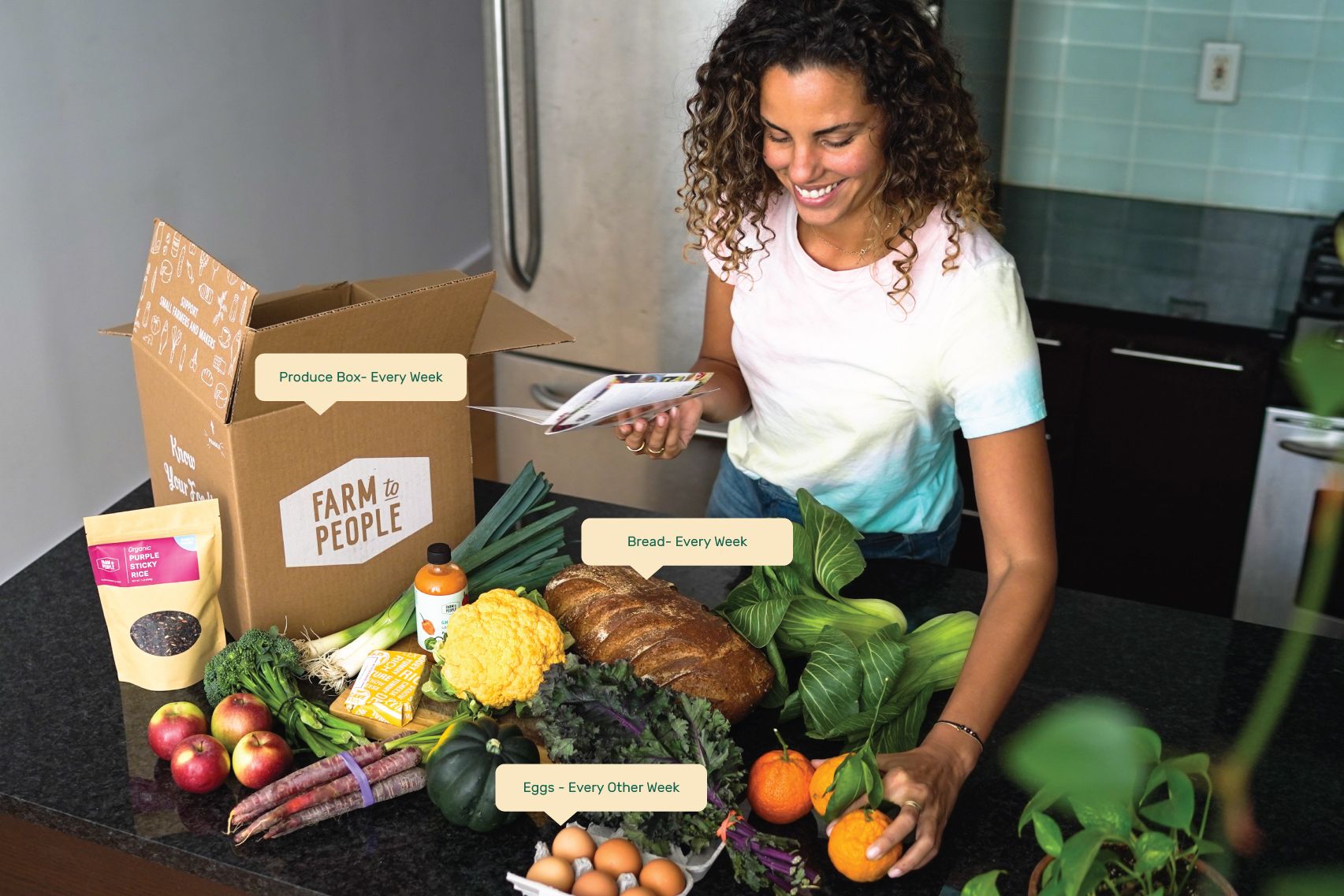
Enjoy set-and-forget convenience. Subscribe to seasonal farm boxes and weekly grocery staples on your schedule.
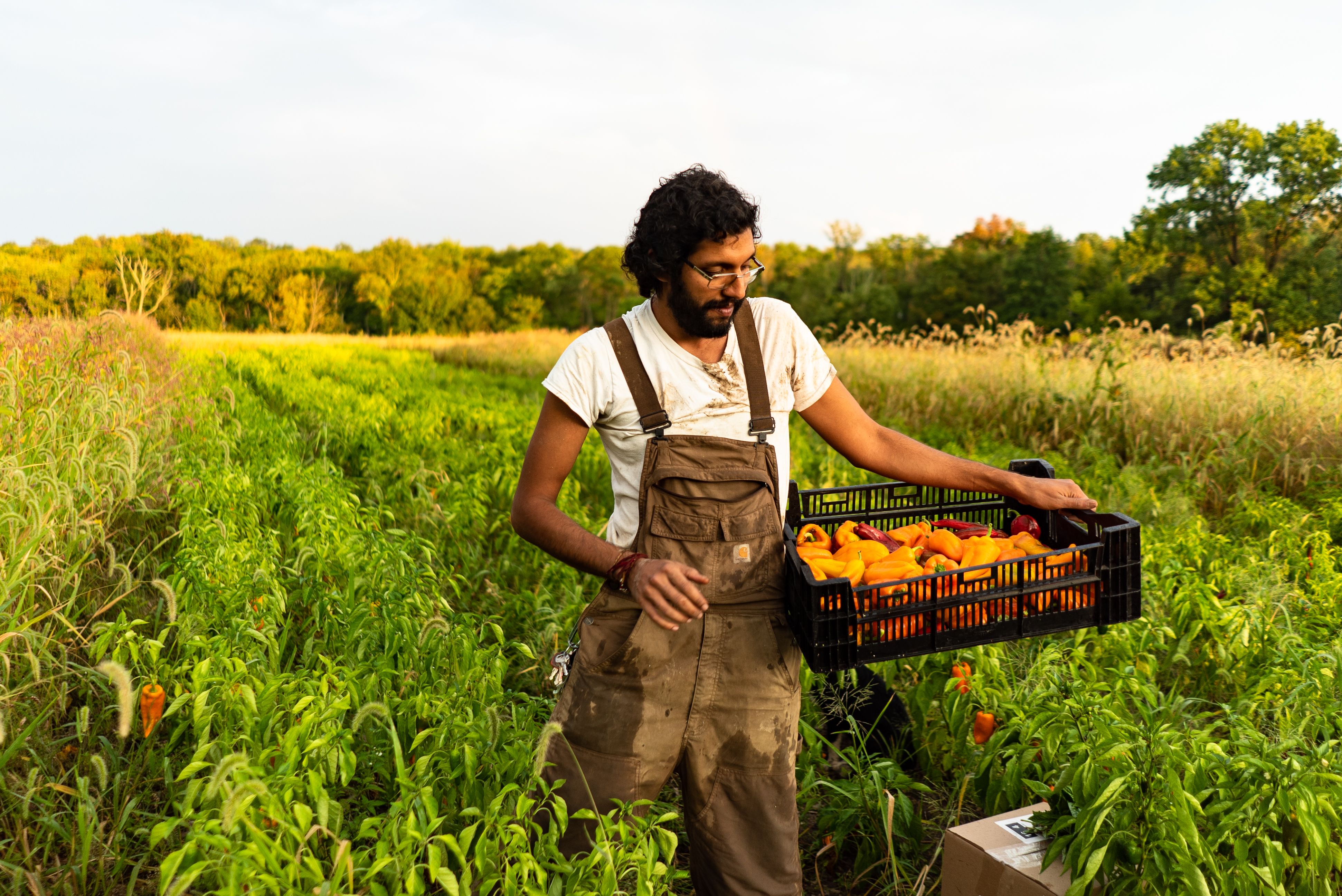
Our Name is Our Mission
Farm to People is on a mission to radically transform the food system and the way people get food to their table. We believe everyone should have access to the freshest, high-quality produce, seafood, meats, and more direct from growers and producers they can trust — because they know them. We’re working to make that easy and affordable.
From The People

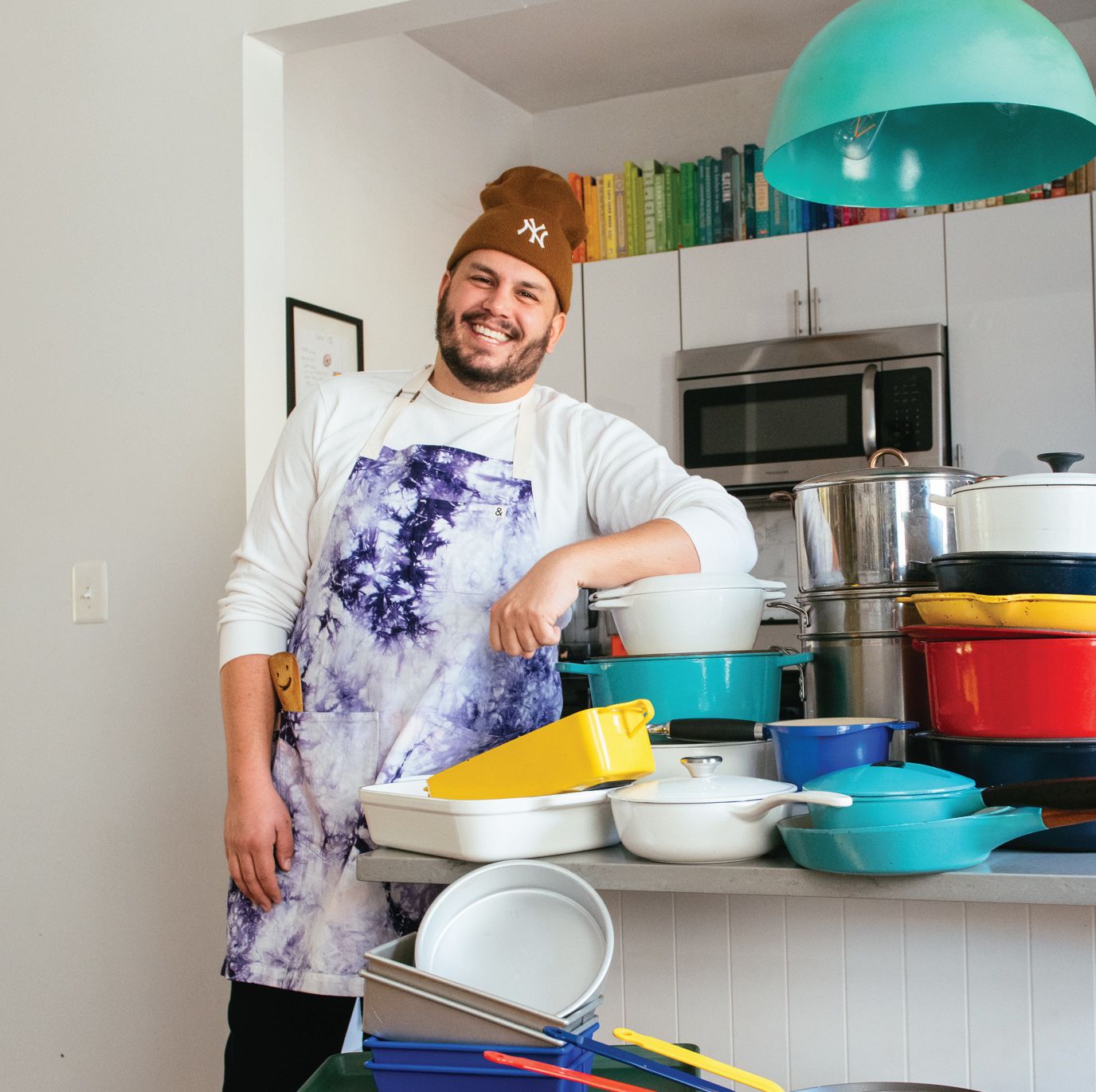
@grossypelosi
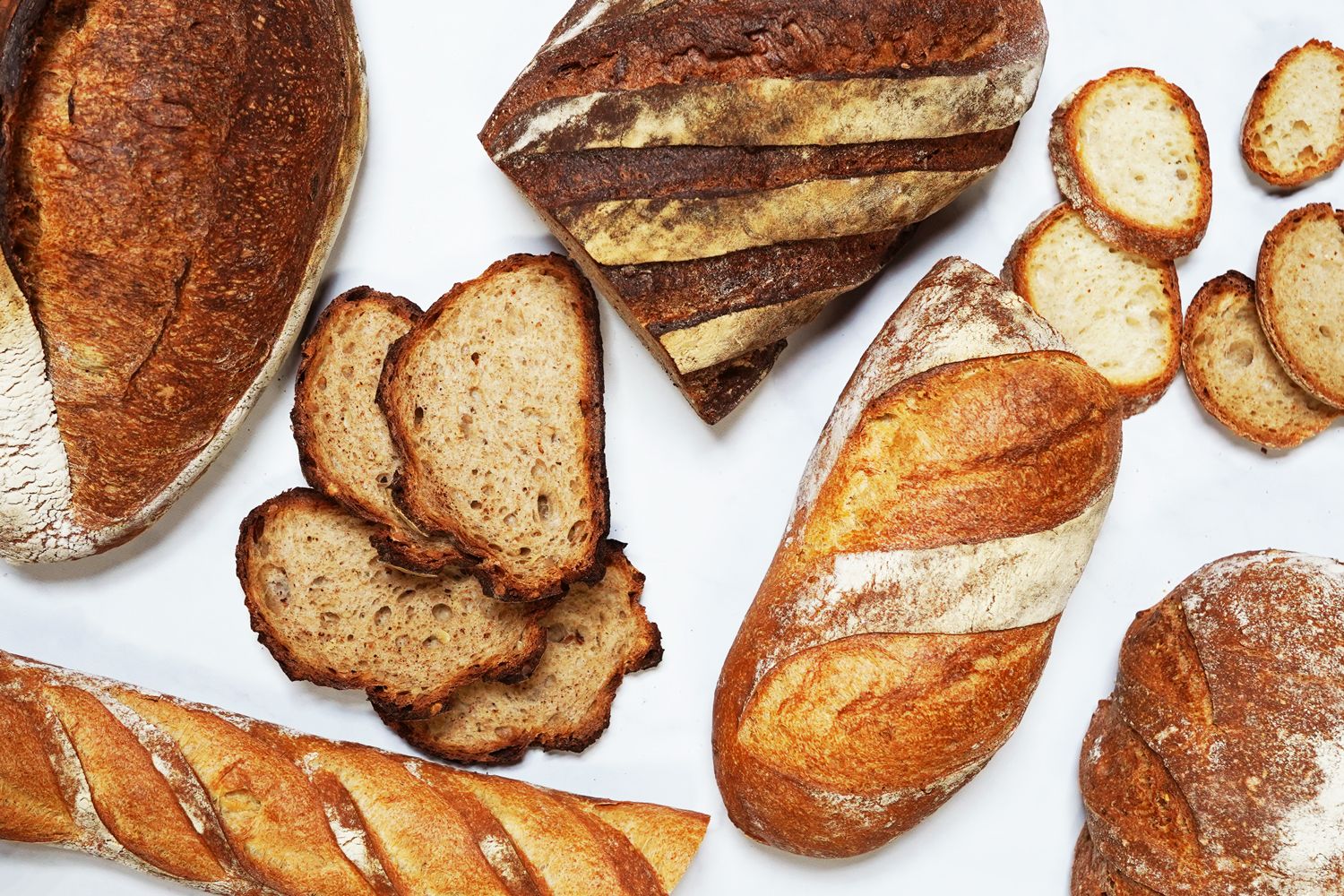
“I deeply look forward to Monday mornings when I choose - yes, choose - what goes in my box over coffee and my last slice of She Wolf sourdough. The seasonal produce selection changes every week and keeps me on my toes, but it’s those constant pantry staples that keep me coming back.”

@thevicstyles
"I’ve been using Farm to People for over 2 years now. I love the fact that the produce is sourced locally, which reduces travel time, waste, and emissions. It’s also a great way to support local farms & farmers."




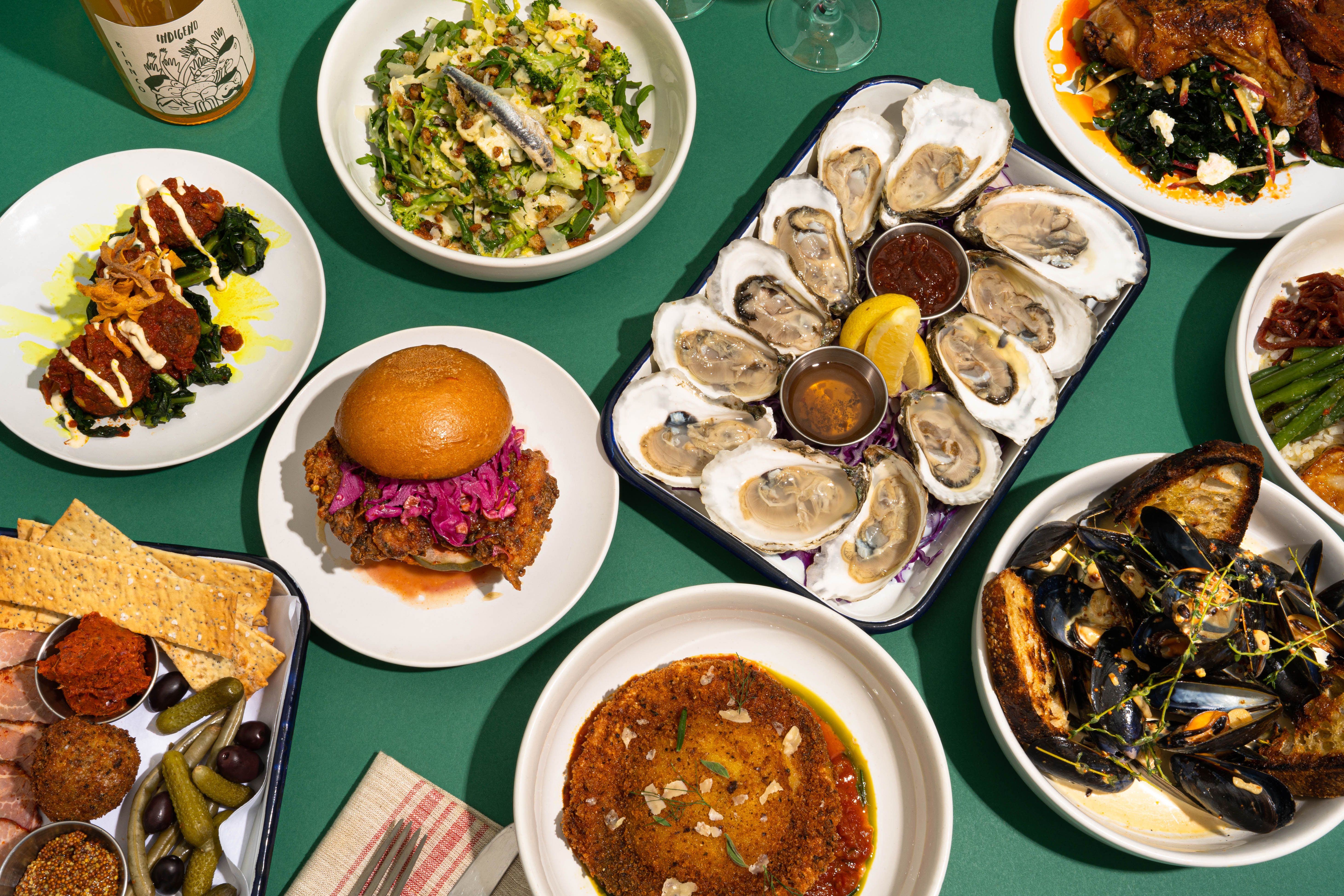
NOW OPEN!
澳洲幸运10开奖历史 Farm to People Kitchen & Bar. Serving up seasonal dishes made entirely of ingredients from our farmer & producer partners. As seen in: The New York Times, Thrillist, Eater and Bushwick Daily.
Thursdays | 5 PM - 10 PM
Fridays | 5 PM - 12 AM
Saturdays | 5 PM - 12 AM
Sundays | 3 PM - 10 PM
1100 Flushing Ave Bushwick, Brooklyn